Mold vs. Algae vs. Mildew: What’s Actually Growing On Your House
“There’s mold on my house” is one of the most common calls a pressure washing company gets, and in most cases it isn’t actually mold. Most of what homeowners call mold on their house exterior is really algae or mildew, not true mold. The distinction matters because each one grows differently and calls for a different cleaning approach, and using the wrong method can be ineffective or damage the surface it’s on.
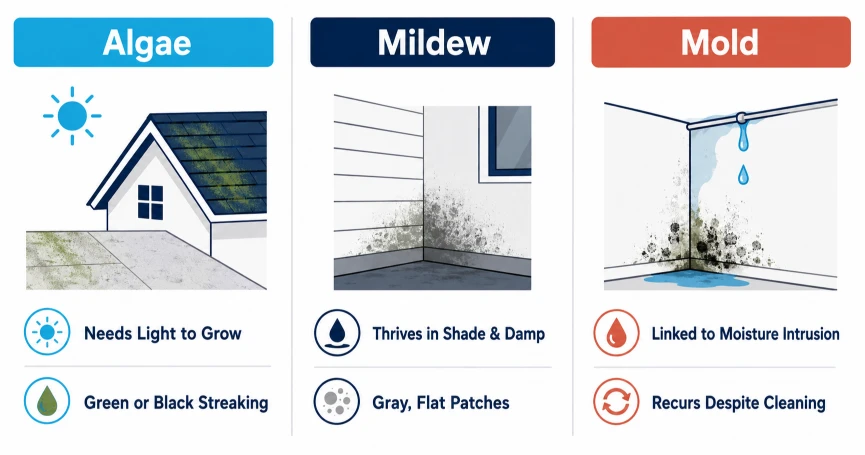
- Algae: Photosynthetic, needs light, causes green or black streaking on roofs and driveways
- Mildew: A fungus that thrives in shaded, damp areas, often appears as gray or black surface fuzz
- Mold: A fungus linked to water intrusion and rot, more relevant to health and structural concerns
- Most exterior black staining: Algae or mildew, not true mold
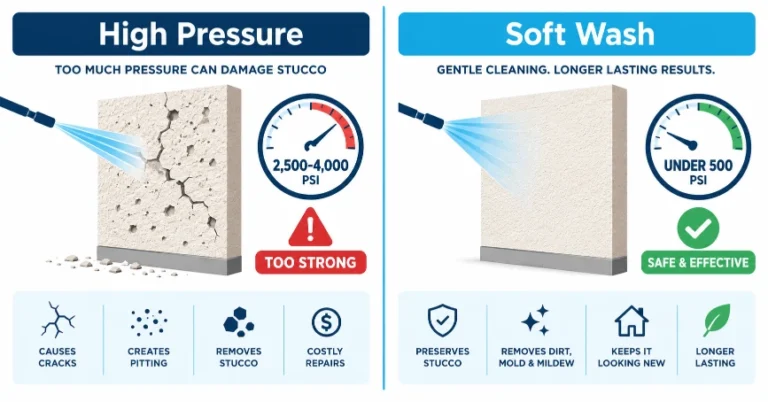
- Correct approach for all three: Soft washing with a treatment matched to the organism, not just surface scrubbing
Why the Distinction Actually Matters
Algae, mildew, and mold are biologically different organisms, and treating one like another wastes time and money. A cleaning solution formulated for algae won’t necessarily address a mildew problem in a shaded corner, and neither one addresses actual mold, which typically points to a moisture problem that needs fixing at the source, not just cleaning at the surface.
Algae: The Roof and Driveway Culprit
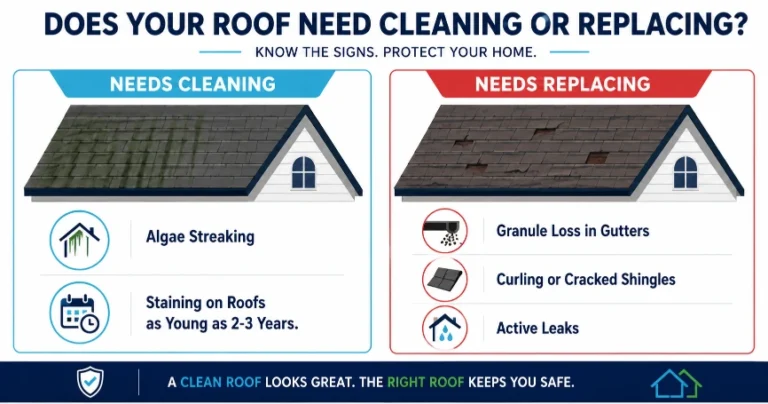
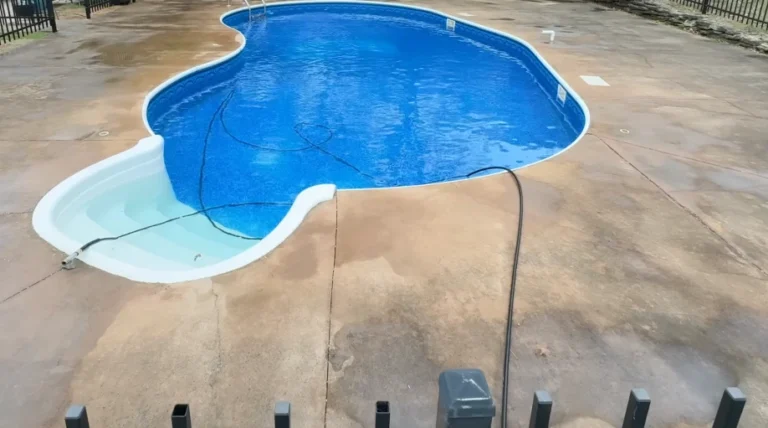
Algae is the organism behind the black streaking most Brandon homeowners see on roofs, driveways, and pool decks. It’s photosynthetic, meaning it needs light to grow, which is why it spreads fastest in areas that get partial sun and stay damp, rather than fully shaded spots. This is the same category of organism covered in more depth in our article on Gloeocapsa Magma, the specific algae responsible for roof streaking.
Mildew: The Shade and Moisture Problem
Mildew is a fungus, not an algae, and it favors the opposite conditions: dark, consistently damp areas with little direct sunlight. It commonly shows up on north-facing walls, under eaves, and in corners where airflow is limited. It tends to look flatter and grayer than algae staining, without the same streak pattern that follows water flow.
Mold: When It’s Actually More Serious
True mold on an exterior surface is less common than algae or mildew, and when it does show up, it’s usually connected to an ongoing moisture problem, like a leak, poor drainage, or trapped water behind siding or stucco. If cleaning the same spot repeatedly doesn’t stop it from coming back quickly, that’s a sign there may be a moisture source that needs to be addressed separately from cleaning. The EPA’s guidance on mold and moisture confirms that moisture control, not surface cleaning alone, is the actual key to resolving recurring mold.
How to Tell Which One You’re Looking At
Location and pattern are the best clues. Streaking that follows the path water runs down a roof or wall is almost always algae. Flat, gray or black patches concentrated in shaded, poorly ventilated spots point to mildew. Recurring growth in the same exact spot despite regular cleaning, especially near a known leak or drainage issue, is worth investigating as a possible mold and moisture problem.
Frequently Asked Questions
Is exterior mold dangerous to my family?
Exterior mold is generally a lower concern than mold found indoors, but if it’s connected to a leak or moisture source that’s also affecting the interior of the home, that’s worth having evaluated separately from a routine cleaning.
Can one cleaning method handle all three at once?
Soft washing is effective against algae and mildew using the same low-pressure approach, since both respond to the same type of treatment. Suspected mold tied to a moisture problem needs that underlying issue addressed too, not just a cleaning visit.
Why does my house get this buildup faster than homes up north?
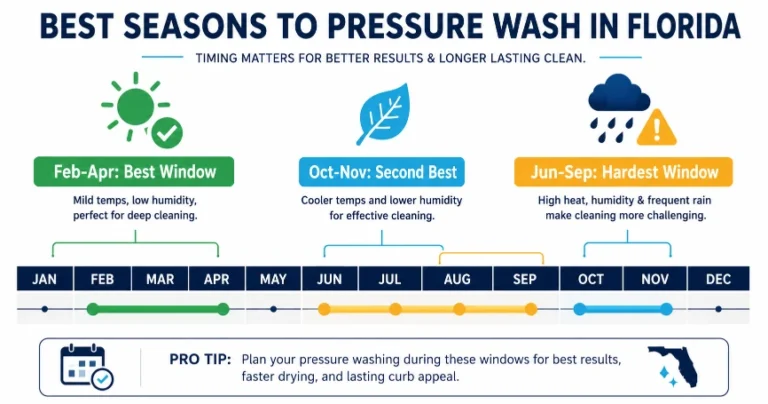
Hillsborough County’s humidity and rainfall give algae and mildew exactly the conditions they need to establish quickly, which is why Florida homes typically need exterior cleaning more often than homes in drier or cooler climates.
If you’re not sure what’s growing on your home, send us a photo and we’ll tell you honestly what it is and what it actually needs.