How Often Should You Pressure Wash a Driveway in Florida?
Ask five different homeowners how often a driveway needs pressure washing and you’ll usually get five different answers, most of them guesses. Most residential driveways in the Brandon, FL area need pressure washing once every 12 to 18 months, though homes with heavy tree cover or shaded lots often need it closer to every 6 to 9 months. The real answer depends on a handful of specific, checkable factors rather than a fixed calendar date.
- Average interval, sunny driveway: 12 to 18 months
- Average interval, shaded or tree-covered driveway: 6 to 9 months
- Main cause of buildup: Algae and mildew, not just dirt
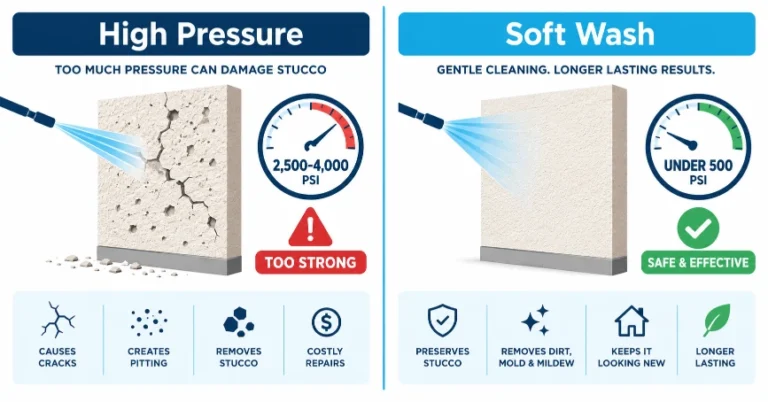
- Safe PSI for residential concrete: At or below 3,500 PSI
- New concrete (under 1 year): Requires reduced pressure to protect the surface
- Common trigger for early cleaning: HOA violation notices for visible staining
What Actually Determines the Timeline
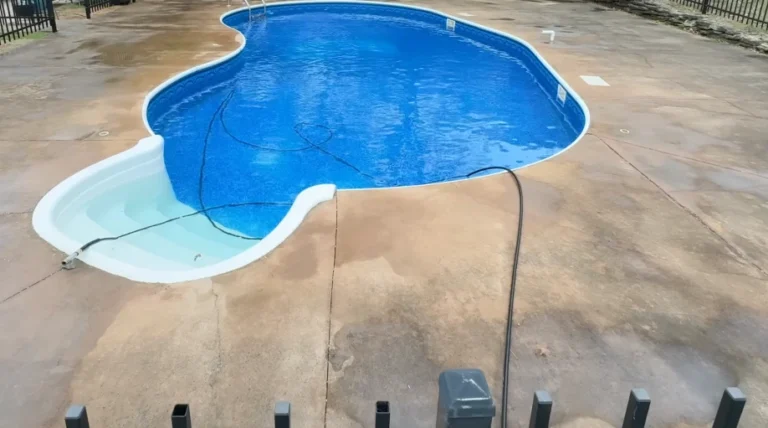
Concrete doesn’t get dirty on a schedule. It gets dirty based on conditions, and in Hillsborough County those conditions are almost always the same handful of things: shade, drainage, and humidity. A driveway under mature oak canopy in an older neighborhood is going to show algae staining far sooner than a driveway with full sun exposure in a newer development, even if both were poured the same year.
Poor drainage plays a bigger role than most people expect. If water tends to pool or run slowly across a section of the driveway rather than draining quickly, that section will develop staining faster than the rest of the surface, regardless of how much shade it gets.
Why It’s Algae, Not Just Dirt
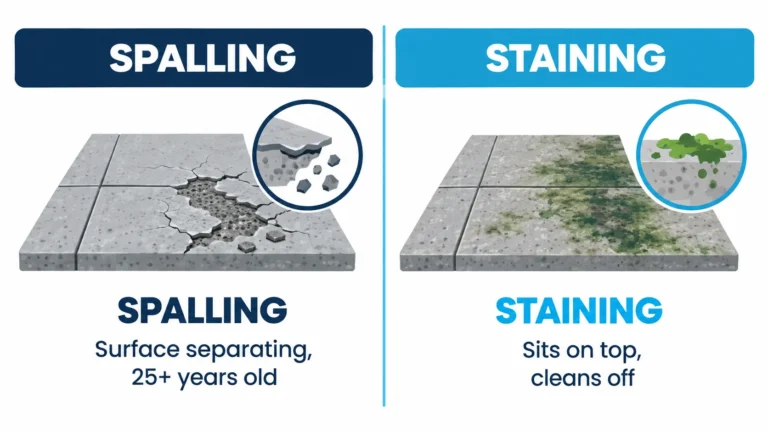
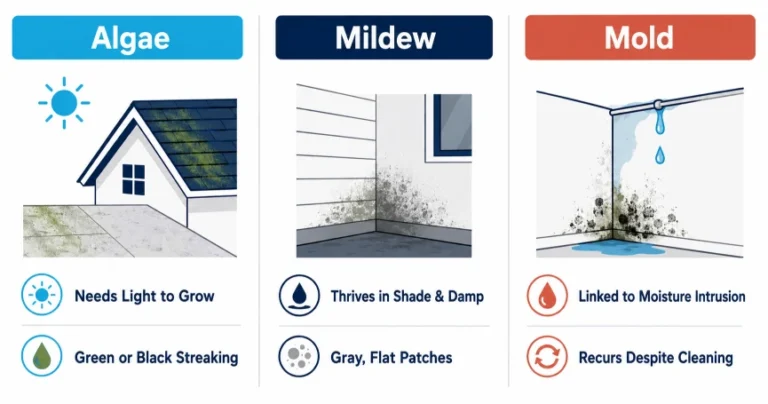
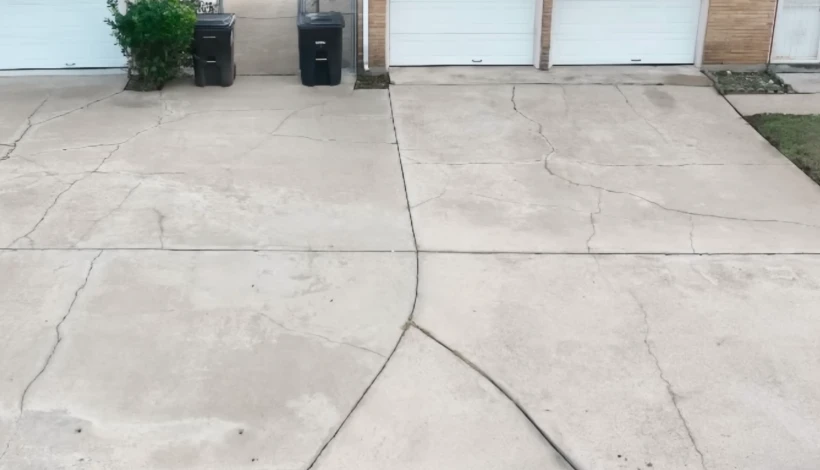
The green or black staining that builds up on Brandon driveways is typically the same type of algae responsible for roof streaking, just growing on a horizontal surface instead of a sloped one. It thrives in Florida’s humidity the same way, and it won’t rinse away with a garden hose once it’s established in the texture of the concrete. That’s the actual reason driveways need periodic pressure washing rather than just an occasional rinse: the buildup is biological, not surface dirt.
Newer Construction vs. Established Neighborhoods
Homes in newer developments tend to go longer between cleanings simply because there’s been less time for buildup to establish. Older, established Brandon neighborhoods with mature tree canopies typically need attention on the shorter end of the range, sometimes annually rather than every 18 months.
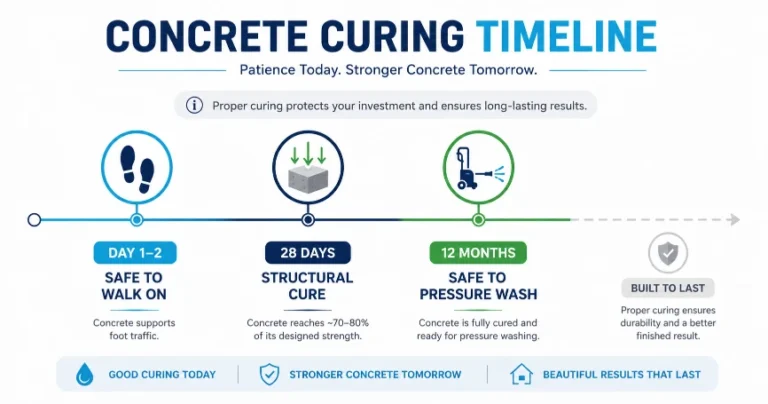
New concrete comes with its own separate timing consideration that has nothing to do with algae. Freshly poured concrete needs time to cure fully, and cleaning it too early with standard pressure can scalp off the top layer, sometimes called the cream coat, before it has hardened. That’s a different problem from routine maintenance cleaning, but it’s worth knowing if your driveway was poured within the last year.
The HOA Factor
In neighborhoods with active HOAs, the real-world cleaning interval often gets decided by a violation letter rather than a personal maintenance schedule. If your neighborhood is one that actively enforces exterior appearance standards, it’s worth cleaning proactively before staining reaches the point of triggering a formal notice.
Frequently Asked Questions
Can I pressure wash my driveway too often?
Cleaning too frequently isn’t harmful on its own, but it’s rarely necessary and adds unnecessary cost. If there’s no visible staining or buildup yet, there’s nothing for a cleaning to actually remove.
Does sealing a driveway extend the time between cleanings?
Yes. A sealed surface resists algae growth more effectively than bare concrete, which can meaningfully stretch the interval between cleanings, especially in shaded areas.
Is there a difference between pavers and poured concrete?
Pavers have more joints and texture for algae to take hold in, so they can sometimes need attention slightly sooner than a smooth poured driveway in the same conditions.
If you’re not sure where your driveway falls on this timeline, send us a photo or describe what you’re seeing and we’ll give you an honest read on whether it needs attention now or can wait. See our full driveway and concrete cleaning service for pricing and process details.